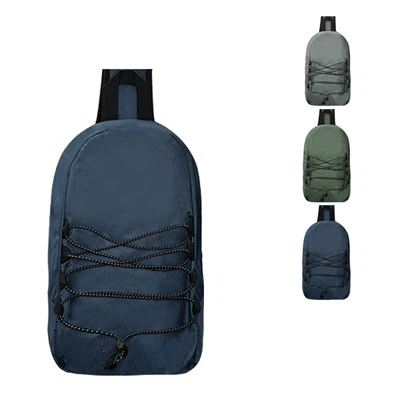
1、 Maintain
During camping, the backpack should be closed tightly to avoid stealing food from small animals such as rats. At night, the backpack should be covered with a backpack cover. Even in sunny weather, dew will still wet the backpack. During the snow season, the backpack can be used as the door of the snow cave. If you crawl in the woods and shrubs, it is more suitable to fill the backpack and lower the center of gravity. For camping, you can put the empty backpack under your feet and put it outside the sleeping bag, insulate it on the cold ground, improve the sleeping temperature, and clean the backpack when you come back.
2、 Cleaning
If it is too dirty, clean the backpack with neutral detergent and dry it in a cool place, but avoid exposure for too long, because ultraviolet rays will damage the nylon cloth. Pay attention to basic maintenance during hiking. If the backpack is scratched, it should be repaired immediately. Thicker stitches should be selected. The needles specially used to repair the seat cushion must be sewn firmly, and the nylon thread can be roasted by fire. The specific methods are as follows:
1. Brush the floating soil with a small brush, which is suitable for backpacks with only floating ash.
2. Wipe it with a soft towel and dry it. It is suitable for backpacks with ordinary stains (such as mud).
3. Soak in a large basin for a few days and rinse again and again. It is suitable for a dirtier backpack.
4. Remove the washing machine for the backpack system, which is suitable for lazy people with cleanliness.
3、 Place
In a cool and dry environment, avoid mildew and damage the waterproof coating on the outer layer of the backpack cloth. Check the stability of the main support points, such as the belt, shoulder belt and the backpack system on weekdays, so as to avoid the deterioration or hardening of the gasket. The zipper should be changed when it is time to change. Don't wait until something slips out of the backpack.