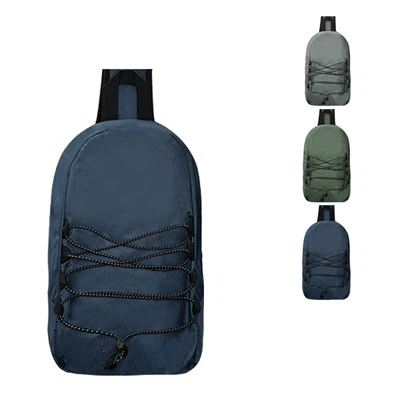
Nylon is a synthetic fibre, so it has good mechanical strength and toughness, and its tensile and compression angles are even higher than those of metal, which means that nylon fabrics are highly practical and have a wide range of applications.
Nylon is derived from non-renewable petroleum resources and is manufactured in an energy-intensive manner, requiring large amounts of water to cool the fibres. It has a high carbon footprint, sheds microplastic fibres during washing, ends up in landfill and is usually not biodegradable at the end of its life cycle.
According to the Sustainable Textiles Initiative, global polyamide production will account for 5% of the total fibre market in 2020, at 5.4 million tonnes. The Recycled Polyamide Fibres Market Report 2021 states that only 1.9% of polyamide is currently recycled.
Currently, new materials such as bio-based nylon and renewable nylon are becoming alternatives to conventional nylon, effectively reducing the carbon footprint.
1. Bio-based nylon
Bio-based nylon is emerging in the market, thus reducing the use of petroleum-based conventional nylon. According to the report, bio-based polyamide yarns represent only a small part of the polyamide market, at around 0.4%. The unique feature of bio-based nylon is that by replacing petroleum with castor seed, maize, cassava wheat or sugar feedstock, yarns with lower CO2 emissions can be produced.
2. Renewable nylon
Compared to virgin fibres, renewable nylon can be recycled again and again, saving oil and requiring less water and energy to manufacture. Post-consumer factory waste, carpets, post-consumer textiles, fishing nets, life preservers and marine plastics can all be used as sources of material, thus reducing land and water pollution.
3. Biodegradable nylon
The increased biodegradability of nylon will result in a much shorter lifespan, thus reducing landfill contamination associated with supply chain waste. Biodegradable polyamide is unique in that it can accelerate the decomposition of clothing in anaerobic landfills from hundreds of years to a few years.
Today, more and more environmentally friendly bio-based and biodegradable speciality fibres are appearing on the market, and according to data, these recycled
According to data, these recycled nylons can reduce CO2 emissions by up to 50% and protect the oceans from microplastic pollution.